WinningHunter Alternatives in 2025: A Realistic Comparison
A balanced look at the main alternatives to WinningHunter — Minea, PiPiADS, AdSpy, and Dropispy — and how each one fits into the ecommerce product research workflows used by Shopify operators, dropshippers, and TikTok-first brands today.
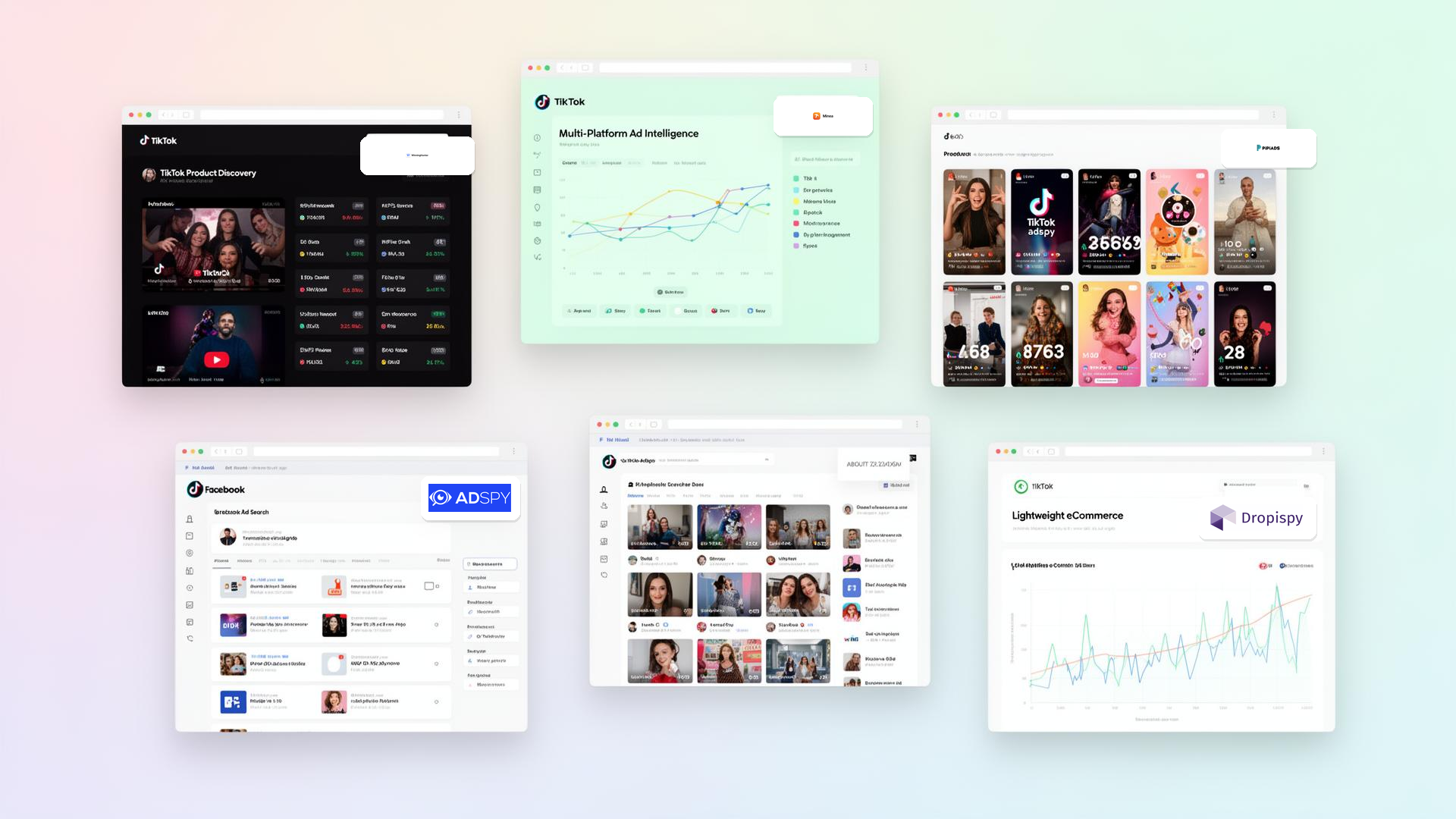
WinningHunter has become a popular option for TikTok product research and ad discovery workflows, but different ecommerce operators often need different types of visibility. Some teams prioritize broader, multi-platform ad intelligence; others care primarily about TikTok creatives, Shopify store-level signals, or lightweight trend discovery. The result is that there is no single "best" tool — only platforms that are better suited to specific workflows.
This editorial compares the most credible WinningHunter alternatives currently used by Shopify brands and dropshippers in 2025. The goal is not to declare a winner, but to map each platform's positioning, strengths, and tradeoffs against realistic use cases. Pricing notes are directional — always confirm current plans on each vendor's site before committing.
Quick verdict
Before going deeper, here is a short summary of where each tool tends to land for the operators we speak to most often:
What each platform is built for
WinningHunter
Lightweight TikTok product discovery and ad research
WinningHunter sits in the lightweight end of the market. Its core strength is helping operators surface trending products through a mix of TikTok ad data, store-level signals, and simple performance filters. The interface is intentionally minimal, which makes it approachable for solo operators and small teams who want a fast "what's working right now" view rather than deep analytical tooling.
Minea
Multi-platform ad intelligence across Facebook, TikTok, Pinterest, and more
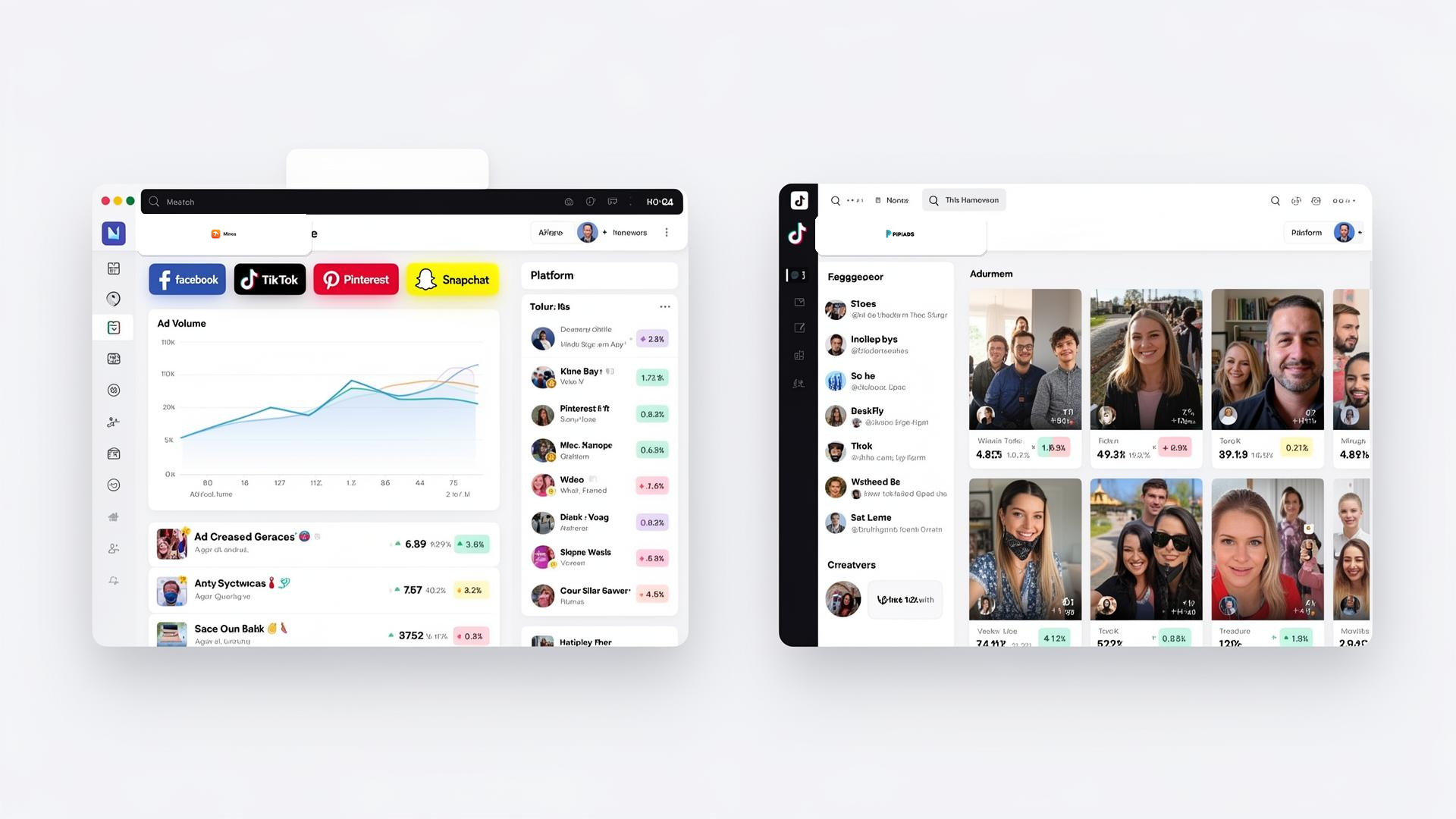
Minea positions itself as a broader ad intelligence platform. Instead of focusing on a single channel, it indexes ads across Facebook, TikTok, Pinterest, Snapchat, and other networks, with filters for engagement, format, and longevity. It is a natural fit for teams that run paid acquisition across multiple platforms and want a single place to study creative trends.

PiPiADS
Specialized TikTok ad spy and creator-level research
PiPiADS is one of the most specialized TikTok ad libraries on the market. It indexes TikTok creatives, advertiser pages, and product links at scale, with filtering for region, category, and ad duration. Brands that build a large share of their revenue on TikTok generally find its depth on the platform difficult to match.
AdSpy
Long-running Facebook and Instagram ad library
AdSpy is one of the older Facebook and Instagram ad spy databases and remains relevant for agencies and operators who need historical depth. Its catalog covers a wide range of advertisers, with text, audience, and engagement filters. It is less focused on short-form TikTok creatives, which is why it is often paired with PiPiADS or Minea rather than used alone.

Dropispy
Budget-friendly Shopify and ad research
Dropispy targets the lower end of the price range and is popular with newer dropshippers. It mixes store-level Shopify research with a Facebook-leaning ad database. The tradeoff is depth: it is useful for spotting common patterns, but more advanced operators generally outgrow it once they need richer ad intelligence.
Our testing experience
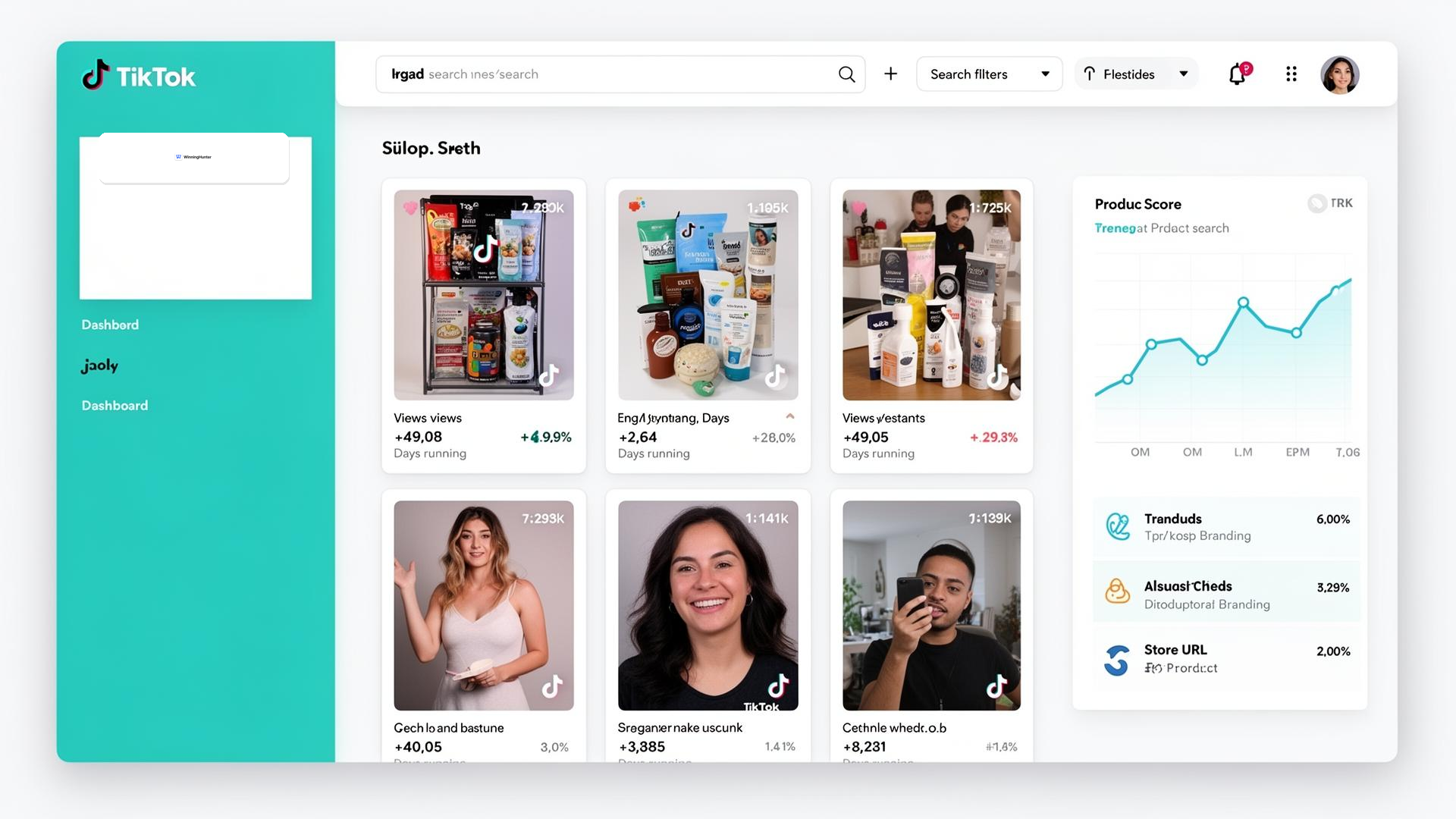
Across our testing, the differences between these platforms showed up most clearly in three areas: onboarding speed, dashboard density, and the depth of TikTok-specific data.
WinningHunter onboarded the fastest. Within a few minutes, we had filtered TikTok product cards by views, engagement, and days running. The downside is that the same minimalism that makes it approachable also limits cross-platform analysis — there simply isn't much surface area beyond TikTok.
Minea took longer to set up because it spans multiple ad networks. Once configured, however, it produced the most useful "macro view" of creative trends across Facebook, TikTok, and Pinterest. Teams that only care about a single channel may find it heavier than they need.
PiPiADS required the most patience to filter well, but rewarded it with the deepest TikTok dataset of the group. Its advertiser- and creator-level views are particularly useful when researching a specific niche or product category.
AdSpy felt the most "legacy" in terms of UI, but its long-form Facebook database is still genuinely valuable for agencies that audit historical creatives. It is not the right tool for someone whose entire workflow lives on TikTok.
Dropispy was the easiest to justify on price, and performed best on basic Shopify-store discovery and Facebook scanning. We hit the limits of its data quickly when looking for niche creatives or detailed engagement breakdowns.
None of these tools is universally "best." The right choice almost always depends on which channel your store is built on and how mature your research workflow already is.
Product discovery and adspy workflows
For pure TikTok adspy, PiPiADS and WinningHunter are the two most relevant tools in this comparison. PiPiADS leans into raw depth and filtering; WinningHunter leans into speed and simplicity. Minea overlaps with both but treats TikTok as one channel among many.
For multi-platform ad intelligence, Minea is the clear leader of the group, with AdSpy filling in deeper Facebook and Instagram coverage when needed. Operators running paid social on three or more channels often end up combining one multi-platform tool with one TikTok-specific tool rather than relying on a single platform.
For Shopify store discovery, WinningHunter and Dropispy expose the most store-level signals out of the box. Minea, PiPiADS, and AdSpy can be used to reverse-engineer stores via ad creatives and landing pages, but they are not Shopify scanners by design.
Dashboard experience
Dashboard ergonomics matter more than they get credit for. A tool that surfaces excellent data but takes ten clicks to filter often gets used less than a simpler tool with shallower data. With that in mind:
- WinningHunter offers the cleanest day-to-day UX. Search, filter, and trend cards are visible at a glance, which suits operators who do quick daily research.
- Minea trades some simplicity for configurability. Filters are powerful but need a short learning curve before the platform feels efficient.
- PiPiADS is information-dense. Power users love it; new dropshippers can feel overwhelmed in the first hour.
- AdSpy shows its age in places, but its search-driven workflow is still usable for analysts who know what they are looking for.
- Dropispy keeps the UI intentionally simple, which is part of its appeal at its price point.
Pricing comparison
Pricing on these platforms shifts often, but the overall positioning has been stable for a while. As of the latest review:
- WinningHunter typically sits in the mid-tier, with monthly plans positioned for solo operators and small teams.
- Minea offers a tiered model from a limited free plan up through agency-grade plans, reflecting its broader feature surface.
- PiPiADS tends to be priced on the higher end, consistent with the depth of its TikTok dataset.
- AdSpy uses a flat, higher monthly subscription that is most easily justified by agencies.
- Dropispy is the cheapest option in the group and is often used as an entry point before upgrading to a more specialized tool.
Always check vendor pricing pages directly before subscribing — plans, limits, and trial terms are updated regularly.
Which tool fits which seller?
Mapping the platforms to the operators we see most often:
- Beginners and new dropshippers: WinningHunter or Dropispy. Both are easy to learn and inexpensive enough to experiment with.
- TikTok-first sellers: WinningHunter for daily discovery, PiPiADS for deeper niche research.
- Multi-channel ecommerce brands: Minea as the core ad intelligence layer, optionally paired with AdSpy for Facebook depth.
- Agencies and operators with multiple stores:Minea or AdSpy for breadth, with PiPiADS layered in for clients focused heavily on TikTok.
- Mature product research operators: Usually run two tools side by side — one multi-platform, one TikTok-specialist.
Pros and cons by tool
WinningHunter
Strengths
- Fast onboarding and clean UI
- Strong TikTok product discovery
- Useful Shopify store-level signals
Tradeoffs
- Limited cross-platform ad coverage
- Less depth than specialized TikTok databases
Minea
Strengths
- True multi-platform ad intelligence
- Strong filtering and creative analytics
- Tiered plans that scale with team size
Tradeoffs
- Steeper learning curve than lightweight tools
- Overkill for single-channel TikTok stores
PiPiADS
Strengths
- Deep TikTok ad and creator dataset
- Granular niche and region filters
- Strong fit for TikTok-first brands
Tradeoffs
- Information density can overwhelm beginners
- Higher price point than entry-level tools
AdSpy
Strengths
- Mature Facebook and Instagram database
- Useful for historical creative research
- Powerful text and audience filters
Tradeoffs
- Dated interface in places
- Weaker on TikTok and short-form formats
Dropispy
Strengths
- Most accessible price point
- Solid Shopify store discovery
- Good entry point for new dropshippers
Tradeoffs
- Shallower ad data than premium tools
- Limited TikTok depth
Frequently asked questions
Final verdict
For ecommerce operators prioritizing lightweight TikTok product discovery workflows, WinningHunter remains one of the easier platforms to navigate day to day. Teams needing broader multi-platform ad intelligence may lean more toward Minea or AdSpy, while TikTok-first brands looking for raw depth tend to keep PiPiADS in the stack. Dropispy continues to be a reasonable entry point for newer dropshippers operating on tighter budgets.
The honest answer is that the "best" tool is the one that maps to your channel mix and your team's research maturity. Most operators we work with end up running one general-purpose platform alongside one specialist — not switching back and forth between five.
Related reading: Best product research tools for ecommerce, How to find winning products for dropshipping, or read our standalone WinningHunter review.
Explore the platforms
Compare each tool directly on its own site before subscribing — pricing, plans, and trial terms change often.