
How to Find Winning Products for Dropshipping in 2025
A realistic, operator-style guide to product research workflows in 2025 — how ecommerce sellers discover, validate, and time products using TikTok adspy, creative analysis, and modern research tools.
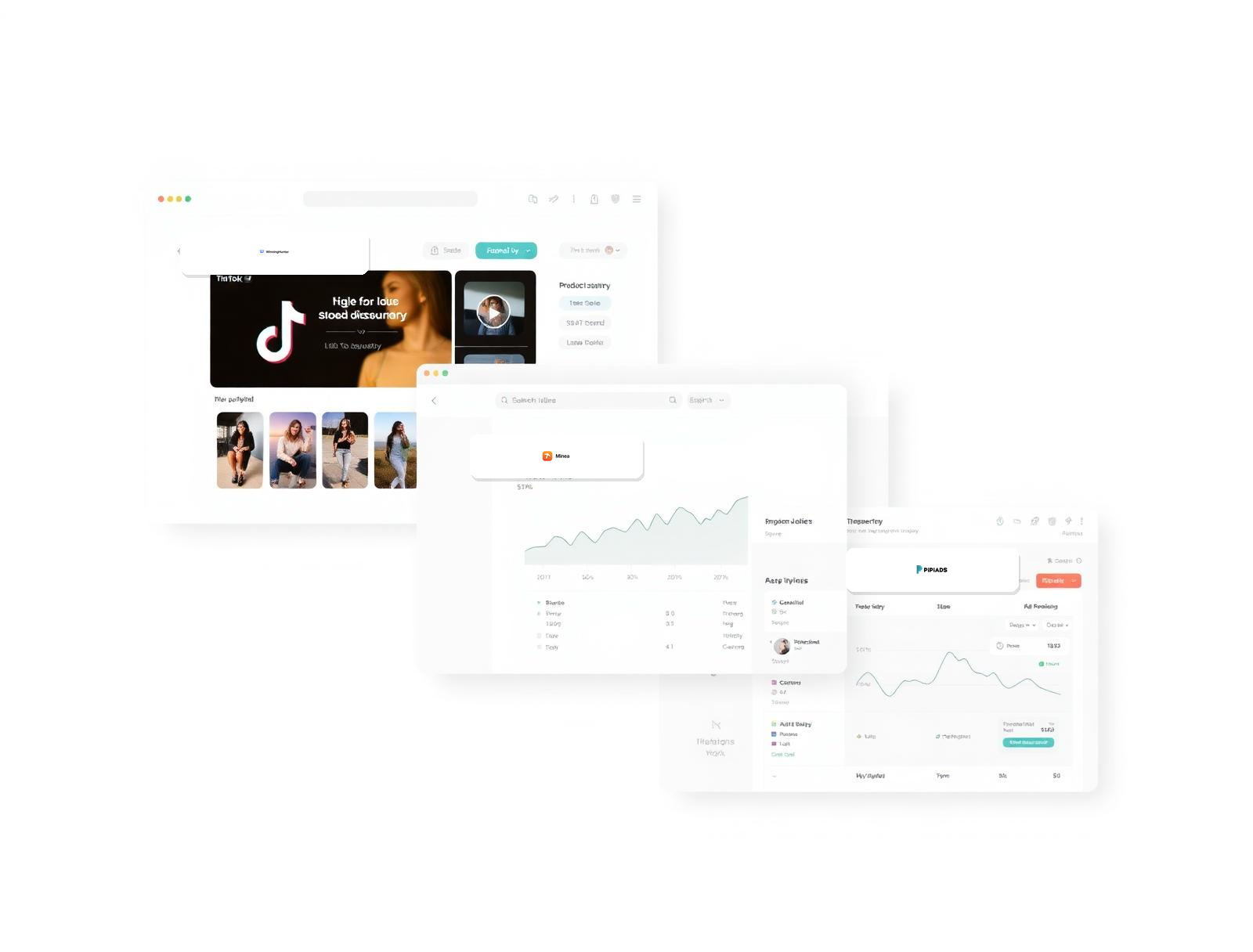
Most articles about “winning products” promise something that doesn’t exist: a repeatable shortcut to viral profits. The reality for operators running real Shopify stores is more grounded. Product research is a workflow — part creative analysis, part timing, part discipline — and the tools that matter are the ones that compress that workflow into something repeatable.
This guide is written for Shopify sellers, dropshippers, and ecommerce marketers who want to understand how product research actually works in 2025: what to look at, what to ignore, and which platforms ecommerce operators rely on day to day.
Why product research matters more than store design
New sellers tend to spend their first weeks polishing themes, logos, and checkout copy. Experienced operators reverse the priority. A polished store with the wrong product almost never scales; a passable store with the right product, timed correctly, often does.
Product research determines unit economics, ad creative angles, audience temperature, and ceiling. It is the single decision that most strongly correlates with whether ad spend turns into revenue. Store design influences conversion rate at the margins — product choice influences whether the store is viable at all.
You can fix a bad theme in an afternoon. You cannot fix a product nobody actually wants.
What “winning products” actually means
The phrase “winning product” has been overloaded by social content. In practice, it refers to a product that meets several unglamorous criteria at the same time:
- Demonstrated demand — competitors are running ads on it consistently, not just for a week.
- Workable margins — landed cost leaves room for ad spend, returns, and operations.
- Creative angle — the product photographs and films well, and has a clear story for short-form video.
- Reasonable fulfilment — shipping times, packaging, and returns won’t destroy the customer experience.
- Trend timing — interest is rising or stable, not collapsing.
A product that satisfies four of these and fails one usually isn’t a winner; it’s a project. Treating the criteria as a checklist is more useful than chasing whatever a creator on TikTok is selling this week.
Common mistakes beginners make
Across the operators we spoke to for this guide, the same patterns came up repeatedly:
- Picking products based on a single viral video instead of a pattern of sustained ad activity.
- Ignoring landed cost and assuming creative will overcome thin margins.
- Copying the most-saturated angle instead of the underlying demand signal.
- Testing too many SKUs at once and learning nothing from any of them.
- Confusing personal taste with market demand — “I would buy this” is not validation.
None of these mistakes are exotic. They are mostly about discipline: separating curiosity from a research process that can be defended with data.
TikTok ad libraries and product discovery
TikTok has become the default surface for ecommerce product discovery. The combination of organic reach, paid ad density, and short feedback loops makes it the easiest place to observe what categories are gaining traction.
Most operators now combine three TikTok-adjacent surfaces:
- The TikTok Creative Center for free directional data on trending creatives.
- Dedicated TikTok adspy tools for filtering by days running, engagement, and ecommerce intent.
- The organic FYP as a sanity check — what actually surfaces to a buyer-shaped account.
The key signal is not “this video has views.” It is “this product has been advertised consistently for weeks across multiple accounts with stable engagement.” That pattern is much harder to fake.
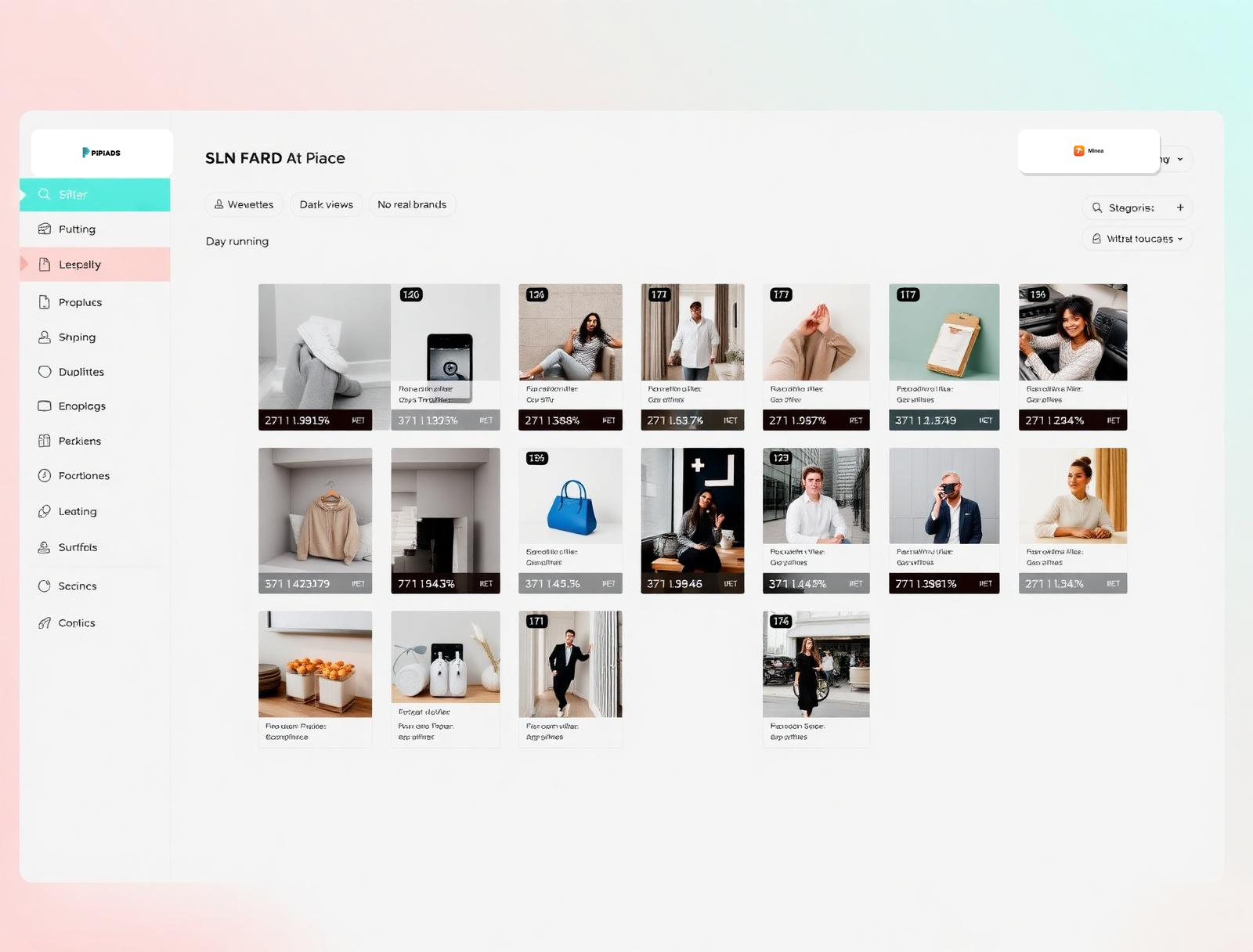
How ecommerce operators validate products
Once a product passes initial discovery, validation is where most of the real work happens. The validation step exists to answer a single question: is there enough evidence to justify spending money testing this?
A typical validation pass looks something like this:
- Ad longevity check. Are competitors running the product for 14, 30, or 60+ days? Long-running ads are usually profitable ads.
- Creative diversity check. Are multiple advertisers running different angles? Multiple creators usually means real demand, not a single viral fluke.
- Store quality check. Is at least one competitor running a clean, branded store rather than a generic dropship template?
- Cost and shipping check. Can the product be landed at a margin that survives ad costs and returns?
- Angle availability. Is there an angle or audience that hasn’t been hammered yet?
None of these steps are glamorous, but skipping any of them is the easiest way to lose ad spend on a product that looked exciting in a single video.
Saturation and trend timing
Saturation is misunderstood. It is not the moment a product “stops working.” It is the moment when generic angles stop working. Plenty of saturated products continue to sell well for operators who bring a sharper angle, a better creator, or a more considered brand.
Trend timing matters in the opposite direction too. Catching a product on the way up means cheaper creative production, less competition for ad placements, and better organic lift. Catching it on the way down — when content already feels familiar to buyers — means fighting uphill.
The operators with the most consistent results tend to live one step ahead: identifying categories that are heating up, not categories that are already on every FYP.
A product isn’t saturated because it’s everywhere. It’s saturated when no one can find a fresh angle on it.
Product research tools we tested
There are dozens of product research platforms, but most operator workflows in 2025 settle on a small group of tools that handle adspy, creative intelligence, and trend analysis. We cover three frequently-mentioned platforms below. For a wider comparison including AdSpy and Dropispy, see our editorial roundup of the best product research tools.
WinningHunter
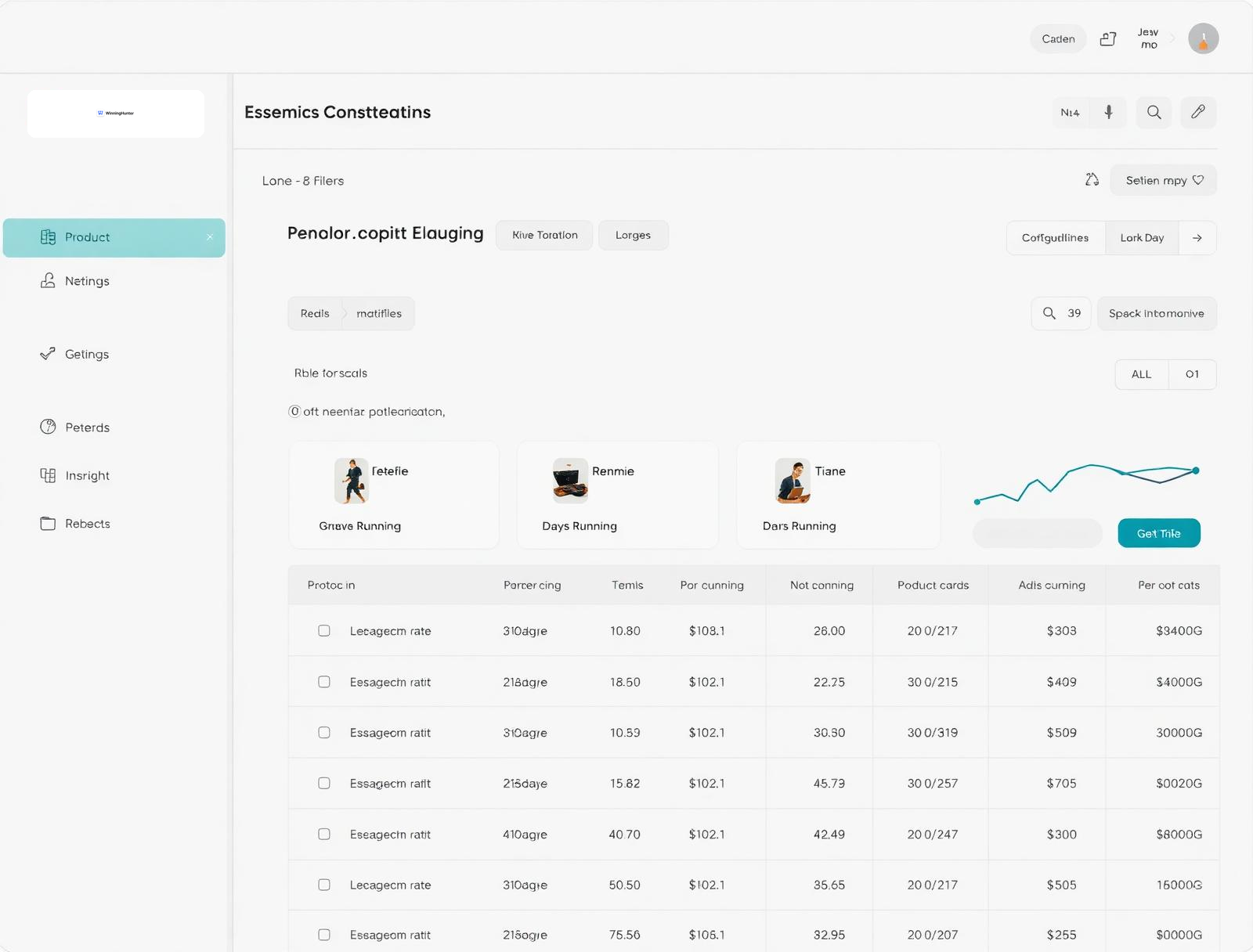
WinningHunter focuses on TikTok and Meta ad discovery with ecommerce-specific filters. The interface is designed for operators who want to move from discovery to validation quickly: ad longevity, engagement, and store-level signals are surfaced in the same view rather than scattered across tabs. We cover it in more depth in our dedicated WinningHunter review.
Minea
Minea is one of the broader ad intelligence platforms, covering TikTok, Meta, Pinterest, and influencer-led content. Operators tend to use it when they want a wider view across channels, or when they need to research influencer activity around a category, not just paid ads.
PiPiADS
PiPiADS is a TikTok-first adspy platform with a deep library of short-form ecommerce ads. It is a common pick for sellers who run TikTok ads as their primary channel and want fine-grained filters by region, days running, and ad engagement.
None of these tools find products for you. What they do is compress the validation process into something measurable. The judgment — which angle, which audience, which creative — still sits with the operator.
How to analyze ad creatives and engagement
Once a product passes basic validation, creative analysis is the next layer. Watching ten or twenty competing ads in a row tends to reveal patterns that aren’t obvious from a metrics dashboard:
- Hook structure. Most winning ecommerce ads earn attention in the first 1–2 seconds with a clear visual demonstration, problem statement, or contrast.
- Demonstration vs. lifestyle. Some categories convert better with raw product demos; others need a lifestyle wrapper. The pattern is usually visible in which angles are repeated by long-running ads.
- Creator-led vs. studio. UGC-style creator ads often outperform polished studio ads on TikTok, but the opposite can be true on Meta for higher-AOV products.
- Comment density. Engagement that includes real questions about shipping, sizing, or use cases is a stronger signal than raw view counts.
The point of creative analysis isn’t to copy the most successful ad — it’s to understand why the format works for the category, then bring a fresher version to market.
Why most “winning product” advice is misleading
Most public content about winning products is optimised for views, not accuracy. It rewards bold claims, recent virality, and dramatic before/after numbers. That creates a few systematic distortions:
- Products are surfaced after they peak, when entry is hardest.
- Margins, returns, and operational costs are routinely omitted.
- A single creator’s success is presented as a repeatable playbook.
- The boring middle — products that quietly print revenue for months — is invisible because it doesn’t make compelling content.
Operators who do this professionally tend to ignore most of what trends on social media and instead build their own internal signal: ad longevity, repeat purchase data, and creative iteration. Tools help, but they support a process — they don’t replace one. If your tracking is unreliable, see our primer on server-side tracking and the best ad tracking tools we’ve reviewed.
Frequently asked questions
Final editorial verdict
Finding winning products in 2025 is less about secrets and more about discipline. The operators with consistent results aren’t running a magic playbook — they’re running a tighter loop: discover, validate, time, ship creative, measure, iterate.
Tools like WinningHunter, Minea, and PiPiADS make that loop faster, but the quality of decisions still comes from the operator. Treat product research as an ongoing craft rather than a one-time hunt, and the hit rate compounds quietly over months.
For a deeper comparison of the platforms mentioned here, see our best product research tools roundup, our dedicated WinningHunter review, and our editorial on server-side tracking for the measurement layer underneath all of this.